How Do Energy Efficient Windows Help Reduce Heating And Cooling Costs?
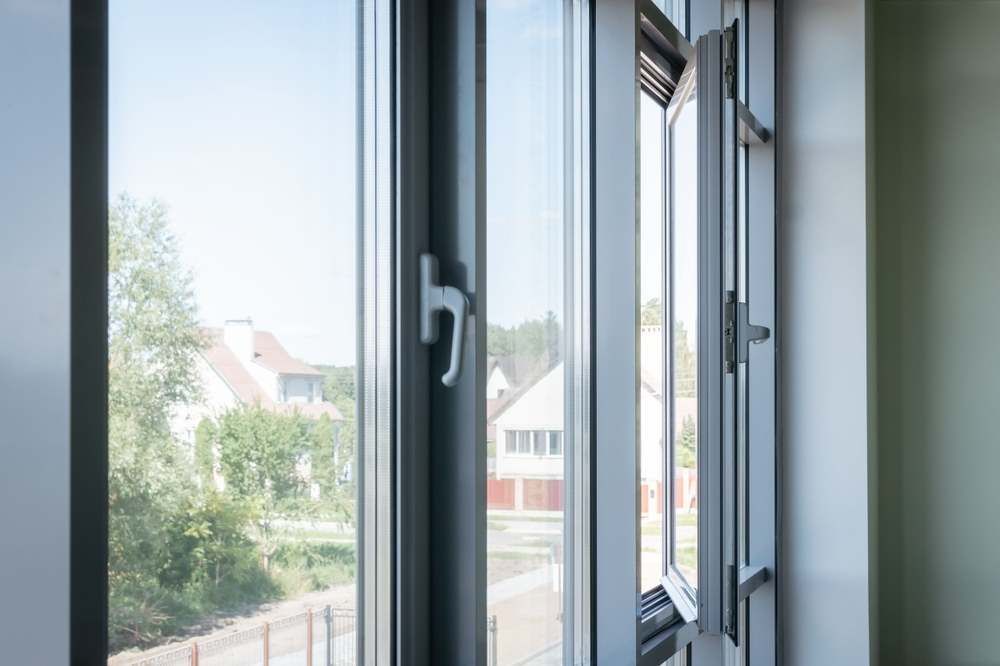
Windows are one of the biggest, and most overlooked, factors in how much a home or business spends on heating and cooling each year. At Capitol Glass, we've seen firsthand how much difference a proper upgrade can make, particularly for properties dealing with the kind of temperature swings common across the New England region.
Why Energy Efficiency Matters in the New England Climate
Tamworth and the surrounding New England region experience a wide temperature range across the year, with cold winters that call for reliable heating and hot summers that put real strain on cooling systems. This kind of climate makes a home's thermal performance matter more than it might in a milder, more temperate area, since the heating and cooling systems are working harder and more often to keep the indoor temperature comfortable.
We've supplied energy efficient windows to homes and businesses servicing Gunnedah and the wider region for over 30 years, and the pattern is consistent: properties with older, poorly performing windows tend to run heating and cooling systems far more than they should need to, simply because the windows themselves aren't doing their share of the work.
How Windows Affect Heating and Cooling Costs
Windows are one of the primary points where heat transfers in and out of a building. In winter, poorly insulated windows let warm indoor air escape and cold air in, forcing your heating system to work harder to maintain a comfortable temperature. In summer, the same weak points let heat in, working against your air conditioning rather than alongside it.
Upgrading to energy efficient windows is one of the simplest ways to cut heating and cooling costs, since better-performing glazing and framing directly reduce this unwanted heat transfer in both directions. Rather than your heating or cooling system fighting a constant, unnecessary loss through the windows, a well-insulated window helps maintain the temperature you've actually set, reducing how hard your system needs to work to keep up.
Features That Improve Energy Efficiency
A handful of specific features genuinely improve a window's thermal performance, rather than energy efficiency being a vague, general claim attached to any new window.
- Double glazing uses two panes of glass with a sealed air or gas gap between them, which significantly reduces heat transfer compared with a single pane. This gap acts as an insulating layer, slowing the rate at which heat moves through the window in either direction.
- Low-E (low-emissivity) glass has a thin, virtually invisible coating that reflects heat while still allowing light through, helping keep heat out in summer and retained indoors in winter.
- Quality window framing also plays a genuine role, since the frame itself can be a significant source of heat transfer if it's not properly insulated. Materials and construction that minimise this transfer contribute meaningfully to a window's overall thermal performance, not just the glass itself.
- Proper sealing and installation matters just as much as the components used. Even high-performance glazing underperforms if it's not installed and sealed correctly, since gaps around the frame let air move freely regardless of how good the glass itself is.
Long-Term Savings for Homeowners
The energy savings from upgraded windows tend to compound over the life of the property, since reduced heating and cooling demand applies every season, year after year, not just as a one-off benefit. For homeowners and businesses running heating and cooling systems consistently through the New England region's cold winters and hot summers, this ongoing reduction in system workload adds up to a genuinely meaningful difference over time.
Beyond the running cost savings, upgraded windows also tend to improve overall comfort, more consistent indoor temperatures, fewer cold drafts near windows in winter and less heat radiating in during summer. This comfort improvement is often noticed immediately, well before the cumulative cost savings become fully apparent on energy bills.
Choosing the Right Windows for Your Home
Not every window upgrade suits every property in the same way. The right choice depends on your home's orientation, the specific rooms you're prioritising and your budget, since different combinations of glazing and framing offer different levels of performance at different price points. Our custom glazing expertise means we can recommend windows suited to your specific home and orientation, rather than a one-size-fits-all recommendation applied regardless of your property's actual conditions.
A north-facing room dealing with intense summer sun has different priorities to a south-facing room losing heat through winter, and getting this assessment right from the outset makes a real difference to how much benefit you actually see from an upgrade.
Get the Right Advice Before You Upgrade
Energy efficient windows reduce heating and cooling costs by cutting the unwanted heat transfer that forces your systems to work harder than they should, particularly in a climate like the New England region's that swings between cold winters and hot summers. The right combination of glazing, framing and installation matters just as much as choosing to upgrade in the first place.
Get in touch with our team to discuss energy-efficient options for your home or business, and we'll help you find the right windows for your specific property and budget.
Frequently Asked Questions